


AI-enhanced blended learning in biology deepens understanding and empowers students to apply science to real-world challenges.
Blended learning in biology integrates interdisciplinary concepts with artificial intelligence–enhanced technologies to create a dynamic and personalized educational experience. Biology learning is enriched through the integration of mathematics, chemistry, and environmental science, while AI-powered tools support data analysis, adaptive learning pathways, virtual laboratories, and interactive simulations. These applications enable students to explore complex biological processes, analyze real scientific data, and engage with real-world issues such as climate change in meaningful and innovative ways.
This blended, AI-enhanced approach strengthens critical thinking, problem-solving, and analytical skills by combining face-to-face instruction with intelligent digital learning tools. It allows students to learn at their own pace, receive immediate feedback, and collaborate effectively, leading to deeper understanding and improved academic achievement. By connecting biological knowledge with technology and real-life applications, students develop a holistic perspective, environmental responsibility, and the confidence to make informed, evidence-based decisions.





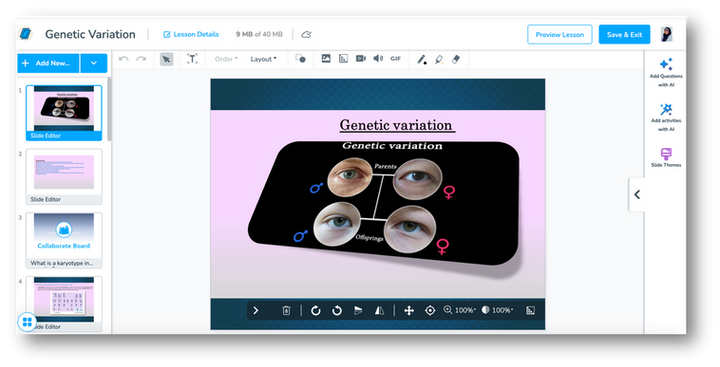
In my observation report, it is evident that the integration of AI-powered tools in the classroom significantly enhances student learning. Applications such as ClassKick, Nearpod, and Curipod actively engage students and provide interactive, personalized learning experiences. The use of these technologies allows students to explore content in ways that traditional methods cannot, fostering deeper understanding and critical thinking. This impact was clearly observed during my technology-enhanced lessons by the Vice Principal and Principal, contributing to a high rating for my teaching.


_________________________________________________________________
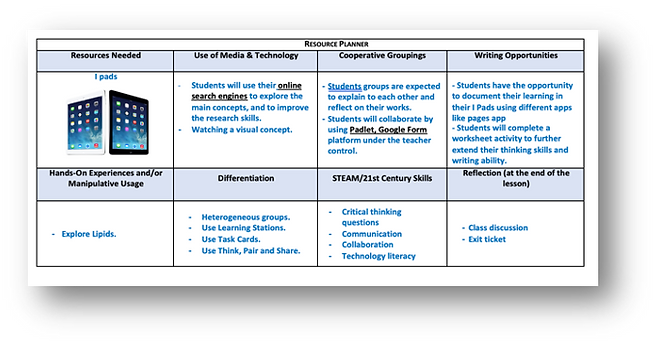
My lesson plan serves as further evidence of how AI-powered tools are embedded in every aspect of my teaching. From introducing new topics with engaging AI-generated videos and interactive content to using platforms like Socrative, Kahoot, and Quizizz enhanced by AI features for formative assessments, and leveraging Smart Boards for interactive exercises, each part of the lesson is designed to maximize student participation, personalize learning, and deepen understanding.




_________________________________________________________________
Most of my lessons are highly interactive, incorporating a variety of websites, apps, and platforms with AI features to enhance student engagement and understanding. Tools like BioDigital allow students to explore detailed 3D anatomy models, while Learn. Genetics provides AI-supported resources to help students dive into complex genetic concepts. Additionally, I use PhET Simulations with AI-enhanced interactive elements to demonstrate scientific phenomena, and Augmented Reality (AR) to make abstract concepts clear and engaging. These tools make lessons interactive, encourage participation, and help students grasp difficult topics more easily.


I use a wide range of technological tools in my biology lessons, including AI-powered simulations, 3D animations, and virtual labs, instead of just regular videos. These AI-enhanced tools not only simplify my work by automating complex demonstrations and providing tailored learning experiences, but also help my students understand the material more deeply by allowing them to see and interact with biological processes. They can explore phenomena that are difficult to demonstrate in class, making lessons more interesting and engaging. This approach fosters critical thinking, encourages active participation, and significantly improves students’ retention and understanding of the content.


Interactive Educational Resources


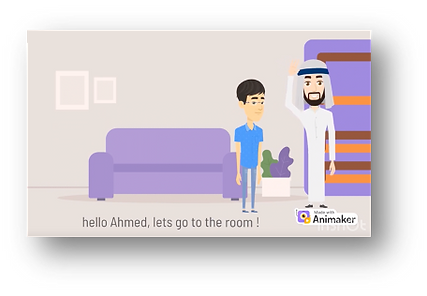
My students are actively using a variety of AI-powered technological tools and apps, such as Canva, Animaker, CapCut, Renderforest, and Flipaclip, to complete their work. The AI features in these applications simplify their tasks, allowing them to express their understanding of concepts creatively and effectively, whether through designing presentations, writing reports, or producing lab videos. The impact of AI is clear in several projects and videos I have shared, where students engage with the material in interactive and innovative ways. By incorporating these AI-enhanced tools into their assignments, they not only demonstrate technical proficiency but also a strong grasp of the concepts. This approach enriches their learning experience and encourages them to find inventive ways to communicate their knowledge.
_________________________________________________________________




_________________________________________________________________
I created my own YouTube channel, "Mrs. Biology," to support my students in their learning journey. Through this channel, I make educational videos that align with the Key Performance Indicators (KPIs) of our subjects. These videos are designed to help students better understand the material, making their studying more effective and efficient. By providing clear explanations and problem-solving demonstrations, I aim to empower my students to grasp complex concepts with ease and improve their academic performance.


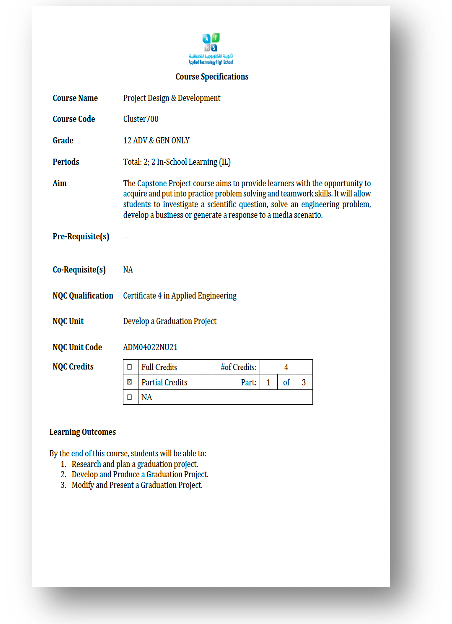
One of the main subjects for our senior students is the graduation project (Project Design), which is enriched through the use of AI tools such as ChatGPT for idea generation, research support, and problem analysis, as well as AI-powered applications for video creation and 3D modeling. These tools support students across the three-term process, brainstorming, research, design, and development, helping them refine concepts, visualize solutions, and simplify complex challenges. The final outcome is a functional prototype that demonstrates students’ ability to integrate AI with their subject knowledge to develop innovative, real-world solutions.



_________________________________________________________________
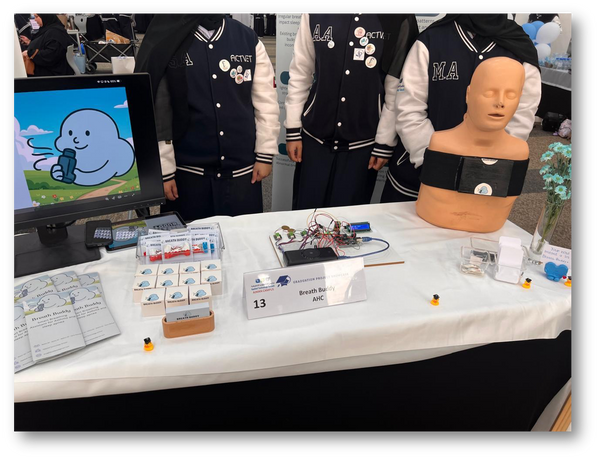
Throughout the year, we actively participate in various competitions that challenge our students in diverse and dynamic ways, supported by the effective use of AI tools. As the school competition coordinator, I have observed how these competitions push students beyond simply building a device, writing research, or excelling in a specific field. They face challenges such as strict time constraints, age requirements, specific and often complex topics, resource limitations, working in teams with varying skill levels, adapting to unfamiliar technologies, and meeting rigorous judging criteria. These elements create a high-pressure environment that tests their ability to think critically, collaborate effectively, innovate under constraints, and maintain focus and confidence under stress, leading to consistent success across competitions regardless of placement.




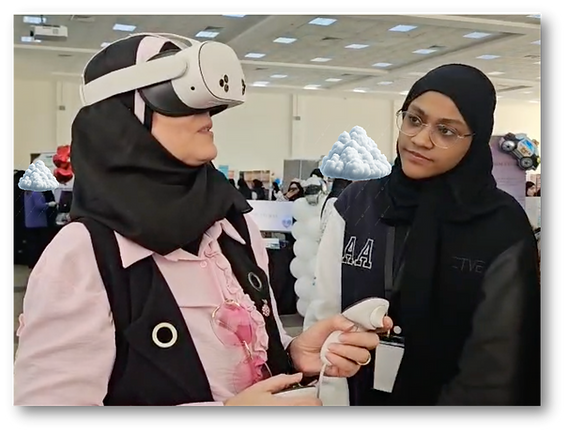


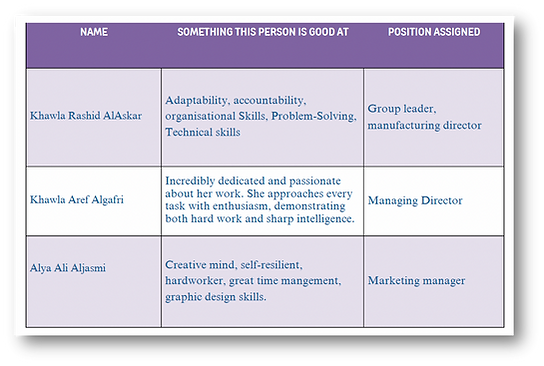
In my teaching practices, I actively integrate digital platforms, e-books, and AI tools to facilitate meaningful collaboration among students. Through working on shared online projects, students are encouraged to take on leadership roles, coordinate tasks, and contribute their ideas effectively within their teams. AI tools assist them in brainstorming, researching, and refining their work, enhancing both individual and group performance. These technology-driven experiences not only strengthen teamwork and communication skills but also foster critical thinking, problem-solving, and innovative approaches. By engaging in such collaborative projects, students build the confidence and leadership abilities needed to thrive in dynamic, real-world environments.


_________________________________________________________________


My students consistently engage in collaboration, particularly during project-based learning (PBL) activities, where teamwork is essential for planning, designing, and executing their projects. This collaborative process is clearly visible in the photos I have posted, which capture students actively organizing their tasks, distributing roles, and coordinating responsibilities under my continuous supervision. Students share their experiences and knowledge, and when some demonstrate expertise in certain AI or technology applications, they support and teach their peers, fostering a collaborative learning environment. By integrating these tools into their projects, students not only develop technical skills but also strengthen interpersonal abilities such as leadership, problem-solving, and shared decision-making, all while being guided and supported at every step of the process.




I am committed to continuous professional growth, actively participating in workshops, training sessions, and certified programs focused on AI and educational technology. By developing my skills in these areas, I enhance my ability to integrate innovative tools into the classroom, creating engaging, personalized, and meaningful learning experiences for my students. This ongoing professional development allows me to stay at the forefront of educational technology, experiment with new approaches, and apply AI-driven solutions that support student creativity, problem-solving, and collaboration. Through this dedication, I ensure that my teaching practice not only evolves with the latest advancements but also empowers my students to thrive in a technology-rich, future-ready learning environment.


_________________________________________________________________


I am actively investing in my professional growth by exploring and mastering a wide range of artificial intelligence applications to enhance my teaching strategies and create more engaging, interactive learning experiences for my students. By participating in specialized workshops and earning certificates in platforms such as Nearpod, Curipod, Classkick, Socrative, and Quizlet, I am expanding my digital toolkit and gaining practical skills to integrate AI effectively into my classroom. These experiences not only allow me to design dynamic lessons that cater to diverse learning styles but also help me foster creativity, critical thinking, and active participation among my students. Continuously developing my expertise in educational technology empowers me to bridge traditional teaching methods with innovative AI-driven approaches, ensuring that my students are both challenged and inspired in a modern, tech-rich learning environment.


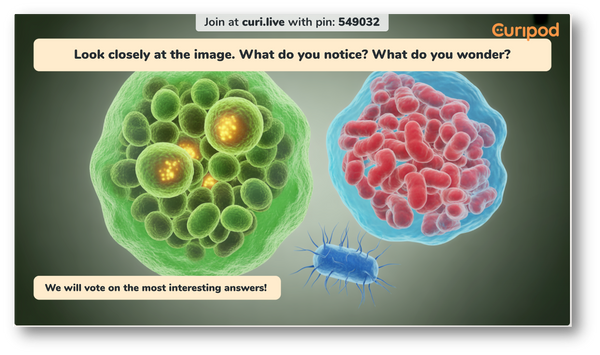
I have actively integrated various AI-powered applications into my teaching strategies to enhance student engagement and optimize learning outcomes. For instance, using Curipod, I create interactive and visually dynamic presentations that adapt to students’ responses, fostering active participation and immediate feedback. On Miro, I facilitate collaborative brainstorming and project planning, allowing students to organize ideas visually and work together seamlessly, even in remote or hybrid settings. Through Socrative, I leverage AI-driven features to generate customized questions and quizzes, analyze student performance in real-time, and adjust lesson pacing accordingly. Additionally, I utilize AI tools to support the design of lesson plans, ensuring that content is differentiated to meet diverse learning needs and that activities are structured to encourage critical thinking, problem-solving, and creativity. By integrating these AI applications, I create a learning environment that is dynamic, personalized, and responsive, empowering my students to take an active role in their education while developing essential 21st-century skills.





Thank You