


Initiatives developed in collaboration with students drive innovation and enhance the overall quality of the teaching experience

Creating initiatives throughout my teaching career has been deeply enriched by the active collaboration, creativity, and enthusiasm of my students. Their diverse perspectives, curiosity, and readiness to engage spark innovative ideas that shape purposeful projects and elevate the learning experience. By involving students in the design, planning, and implementation of new initiatives, I foster a sense of ownership and agency that strengthens their leadership, critical thinking, and problem-solving skills. These collaborative efforts not only enhance classroom engagement but also cultivate a supportive and empowered learning community where students and teachers grow together. Through these student-centered initiatives, learning becomes more meaningful, dynamic, and transformative, contributing to a vibrant educational environment built on innovation and shared achievement.


On January 24th, 2022, I launched the Eco-Greening Club as my own initiative to promote sustainability and environmental awareness in our school. Since then, the club has engaged students in diverse eco-activities such as recycling, reducing plastic use, proper waste management, and planting to lower carbon footprints. It brings together motivated high school girls from Grades 10–12 to lead by example and inspire responsible environmental behavior. As the coordinator, I developed a work plan to train and empower students to take meaningful action. This long-term initiative continues to strengthen our school’s sustainability culture and encourage students to care for their environment.


______________________________________________


In my Eco-Green Club, I led an initiative to create a meaningful sustainability project through the development of my Eco-Green Garden, an idea I designed and implemented with my students. As part of this initiative, we transformed old tires into colorful, creatively shaped plant pots, giving discarded materials a new purpose instead of allowing them to end up in landfills or be burned. By repurposing these tires, we actively helped reduce pollution, since burning rubber releases toxic chemicals that harm air quality and damage the environment. Completing this garden took about a year and a half while I balanced my teaching responsibilities, but the outcome made every effort worthwhile. The project not only enhanced our school environment with a vibrant and eco-friendly garden, but also promoted awareness about the value of reuse and waste reduction. This initiative demonstrated how creativity, teamwork, and student empowerment can turn a simple idea into a powerful contribution toward sustainability.


______________________________________________


______________________________________________
One of my initiatives centers on training students to explore plant growth through environmentally focused, inquiry-based experiments that promote sustainability awareness. Students cultivate selected plant species while systematically varying environmental factors such as temperature and light wavelength to examine how these conditions influence growth, adaptation, and resource efficiency. By analyzing how plants respond to changing environmental conditions, students gain insight into the impact of climate factors on ecosystems and sustainable food production. This hands-on investigation strengthens their understanding of plant biology while fostering environmental responsibility, scientific thinking, and informed decision-making related to sustainability and ecological conservation.
Together with teachers from various departments, I helped develop the Sustainable School Initiative at ATS Ajman, aligning our efforts with the UAE’s Year of Sustainability in 2024. This collaborative project brings the United Nations Sustainable Development Goals (SDGs) into our school community in a practical and meaningful way. Known as “Bringing the SDGs Home to ATS Ajman,” the initiative encourages active participation from students, staff, administrators, parents, and other stakeholders to build a culture of environmental responsibility. By focusing on selected SDGs each year, the school promotes environmental awareness, teaches sustainable practices, and empowers students to take meaningful action toward global challenges. Student SDG Ambassadors, supported by Sustainability Coordinators, lead these efforts and inspire their peers to engage in positive change.As part of this initiative, I appeared in a school-wide awareness video alongside my students, highlighting the importance of sustainability and promoting eco-friendly practices. This collective effort reflects our shared vision of transforming ATS Ajman into a truly sustainable school.



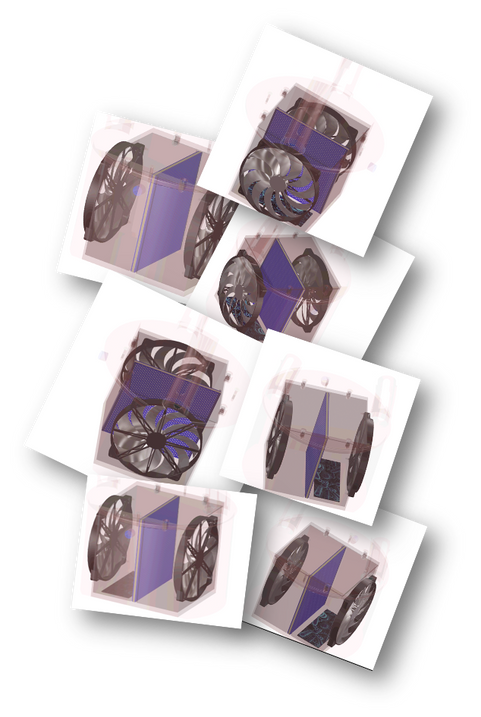
As part of my initiative to support sustainability and help maintain a clean environment, I developed an innovative project called the Microplastic Eliminator, a device designed to combat microplastic pollution in the air. This eco-focused purifier uses Ideonella sakaiensis bacteria and PETase/MHETase enzymes to break down harmful microplastics, supported by a 2.5 mm filtration system that ensures efficient purification. Its replaceable container improves safety and functionality, making the design practical, sustainable, and environmentally friendly. I participated in several competitions with this project and achieved multiple wins, demonstrating its potential as a groundbreaking solution to protect human health and ecosystems. This innovation reflects a strong step toward cleaner air and a healthier future for current and upcoming generations.


______________________________________________

DNA - Guinness World Record Model

As part of our commitment to sustainability, recycling, and integrating real-world biology into learning, my department and I initiated a project to build a large-scale DNA model entirely from recycled plastic water bottles and bottle caps. This project is designed not only to reduce waste but also to help students understand DNA structure through a hands-on, eco-friendly approach. Our proposal outlines a plan to construct what will become the world’s longest DNA double helix model, reaching 200 meters and surpassing the current 190.35-meter record. The design uses recycled materials, UAE-themed color coding for the base pairs, and a structured, step-by-step construction process involving students, teachers, and community volunteers. It includes detailed measurements, documentation procedures, material estimates, and verification methods aligned with Guinness World Records requirements. We have already registered the project with Guinness, communicated with their team, and are now awaiting their approval to officially begin building the model. This initiative is a powerful blend of STEM education, sustainability, creativity, and national pride.


______________________________________________
I started the initiative of creating a virtual sustainable city for education to help students learn about sustainability and environmental conservation in an engaging and meaningful way. To achieve this, I established a virtual Minecraft Club that blended learning with a platform students already enjoyed. Their challenge was to design and build the best sustainable city inside Minecraft, encouraging creativity, teamwork, and practical understanding of eco-friendly practices. This initiative transformed learning into an interactive experience and showed how virtual tools can effectively promote awareness and innovative solutions to real-world environmental issues.


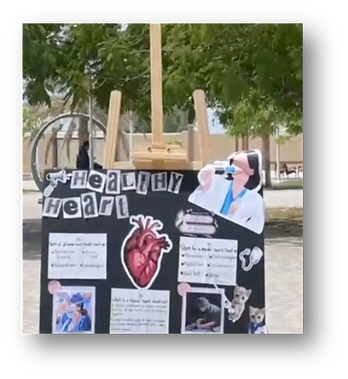
My initiative, Health For All, at AKIS focuses on raising awareness about health and well-being through a range of impactful objectives. It aims to provide healthcare, address health risks related to gender and social factors, and counteract harmful habits like smoking and eating junk food. The initiative promotes healthy lifestyles, good hygiene practices, and sanitation, while also enhancing public health knowledge. Additionally, it works to develop positive health attitudes and habits among students, parents, and staff, and to create a healthy school environment. One of the major highlights of this initiative was a workshop where students, staff, and parents were engaged to raise awareness about seven genetic diseases common in the UAE. My students led the presentations, and the event also included fun activities such as games, competitions, artwork, healthy food, giveaways, and certificates distribution.


______________________________________________


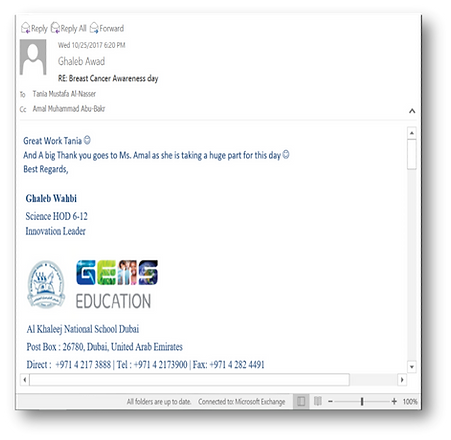
I coordinated several campaigns, assemblies, and awareness events addressing key health topics, including diabetes, breast cancer, thalassemia, prostate cancer, mental health and well-being, and the importance of hygiene. These initiatives involved student-led research, data collection, surveys, educational sessions, interactive activities, and guest speaker presentations. By actively engaging students in investigating real health issues, analyzing information from credible sources, and presenting their findings to the school community, these initiatives strengthened their scientific inquiry, research, and communication skills. At the same time, they promoted awareness, early detection, prevention strategies, and the adoption of healthier lifestyles within the school community.


______________________________________________
These pictures represent a variety of school-based health awareness events and initiatives designed to actively engage students in meaningful extracurricular activities. Through participating in and supporting these campaigns, students are encouraged to take part in real-world initiatives that extend learning beyond the classroom. These experiences provide valuable opportunities for students to better understand the health issues affecting their community, build awareness of personal and public health, and develop a sense of responsibility toward making informed, healthy choices in their daily lives.


______________________________________________
I consistently take the initiative to involve my students in scientific conferences and research-focused events that extend learning beyond the classroom and expose them to real-world scientific practice. One such opportunity was participating with my students in the 7th International Genetic Disorders Conference (GDA), organized under the auspices of Dr. Maryam Mattar, a distinguished Emirati scientist and public health advocate renowned for her contributions to genetic disorder awareness and public health advancement in the UAE. This experience provided a highly enriching learning environment, where students spent a full day engaging in workshops, seminars, and interactive sessions. Through these activities, they deepened their understanding of current advances in genetics, explored the causes and prevention of genetic disorders, and interacted directly with experts in the field, strengthening both their scientific knowledge and research awareness.


______________________________________________



One of the key initiatives I introduced across our Ajman campus focuses on conducting small-scale scientific studies within the school community. These studies are designed to address important health- and age-related topics relevant to teenagers, while simultaneously raising awareness and strengthening students’ research skills. Through well-structured scientific and health-based surveys, students learn how to formulate meaningful questions, collect reliable data, and apply appropriate methods of analysis and interpretation. This approach not only deepens their understanding of real-world scientific inquiry but also enhances their data analysis and critical thinking skills, allowing them to explore issues that directly impact their well-being and daily lives. Below are examples of some of the studies conducted as part of this initiative.


Thank You