


Where smart learning and sustainable living come together to inspire lifelong, future-ready minds
In my teaching, I prioritize resource efficiency, lifelong learning, and the creation of a sustainable learning culture. By focusing on making the best use of time, materials, and energy, I aim to reduce waste while ensuring a high-quality educational experience. I encourage students to embrace lifelong learning, helping them adapt to new challenges in an ever-changing world.
I also emphasize fostering a culture that values environmental responsibility, social equity, and economic sustainability, guiding students to understand their role in creating a sustainable future. My approach goes beyond academics, encouraging critical thinking about their impact on the world, ensuring that education supports both personal growth and the well-being of the planet. Through these practices, I guide them to see each new piece of information as a building block for their development, empowering them to become lifelong knowledge seekers.


Our school is an active participant in the Environment Agency – Abu Dhabi’s Sustainable Schools Initiative (SSI), a program designed to enhance environmental performance through structured Green School Audits and sustainable practices. As one of the committee leaders, I played a key role in guiding and teaching students how to conduct the environmental audit, including evaluating energy use, water consumption, waste management, and overall ecological footprint. Through this leadership role, I supported students in understanding sustainability principles, developing practical auditing skills, and implementing eco-friendly practices across the school. I have also completed specialized certification related to the SSI Green Audit process, which strengthened my ability to lead, mentor, and contribute to the school’s sustainability goals in alignment with Abu Dhabi’s environmental standards.


______________________________________________
Our school has begun implementing the following steps as part of the Sustainable Schools Initiative (SSI):
- Step 1: Form Audit Teams,
- Step 2: Collect Data
- Step 3: Record and Reflect
- Step 4: Share and Act.
To motivate students, we created a video encouraging their active participation in the Green Audit and highlighting how sustainability efforts enhance their learning environment. This project strengthens environmental awareness, builds practical auditing skills, and empowers students to contribute meaningfully to a more sustainable school community.


My students collaborate effectively using platforms like Classkick, Google Forms, Canva, and Padlet, which save time and significantly enhance the quality of their work. These tools enable seamless communication, efficient resource sharing, and real-time collaboration, allowing students to stay organized and focused on their goals. By leveraging these platforms, they minimize unnecessary delays, streamline their workflows, and ensure every aspect of their projects meets high standards. This approach not only boosts productivity but also fosters a more cohesive and efficient teamwork experience.





______________________________________________
In AP Biology, we performed a genetic lab to compare DNA sequences and explore evolutionary relationships. Normally, this would require access to a fully equipped lab or an educational trip to a genetic center or university for hands-on experience. However, due to limited resources, we adapted by conducting the lab virtually, utilizing BLAST (Basic Local Alignment Search Tool), a bioinformatics program that compares biological sequences, such as DNA, RNA, or protein sequences, against a database of known sequences. Despite the resource constraints, we successfully used digital tools to simulate the process and meet our objectives, proving that, with fewer physical resources and less effort, we could still effectively study genetic concepts and gain valuable insights into evolutionary biology.


______________________________________________

In collaborative learning approaches, students are strategically paired or grouped to maximize the use of lab and classroom resources effectively. This method encourages teamwork, allowing students to share materials and equipment while working on biology tasks such as dissections or biodiversity studies. Students actively collaborating, demonstrating both the efficient utilization of resources and the development of essential skills like communication and problem-solving.


To ensure that my students have easy access to all the necessary learning and study materials, I upload presentations, videos, links, worksheets, and other resources to accessible platforms such as OneDrive, Google Drive, Microsoft Teams, and our Learning Management System (LMS). In addition, I provide students with an extra learning avenue through my own educational YouTube channel, “Mrs. Biology,” where they can revisit key biological concepts anytime and use the videos as a continuous, on-demand learning resource. These platforms together create a centralized and organized space where students can quickly find and engage with the materials they need for their coursework, fostering an environment that supports independent learning and collaboration. By offering multiple access points, I aim to enhance the accessibility and convenience of learning, ensuring that all students have equal opportunities to review and benefit from the resources anytime, anywhere, regardless of their circumstances.


______________________________________________
Most of our formative assessments and short quizzes are now conducted through online platforms, a shift that reflects our commitment to sustainability and reducing environmental impact. By moving away from paper-based assessment practices, we significantly minimize waste, conserve resources, and support a greener school environment. This digital approach not only aligns with sustainable practices but also enhances efficiency, allowing me to access results, download data, and perform analysis quickly and accurately. By integrating eco-friendly digital tools into our assessment process, we promote responsible resource use while streamlining workflow and ensuring a more sustainable and innovative future for our learning community.


The use of E-learning platforms in my biology class will greatly enhance lifelong knowledge seekers by providing them with diverse and engaging resources. By integrating technology tools, I can personalize the teaching experience to meet each student's unique learning needs and preferences. These E-learning platforms offer interactive simulations and virtual labs that allow students to explore complex biological processes in a dynamic, hands-on way. Simulations provide visual and interactive representations of concepts like cell division, ecosystems, or genetic inheritance, making abstract ideas more tangible. Virtual labs enable students to conduct experiments in a safe, controlled environment, fostering critical thinking and scientific inquiry skills while reinforcing theoretical knowledge through practical application.

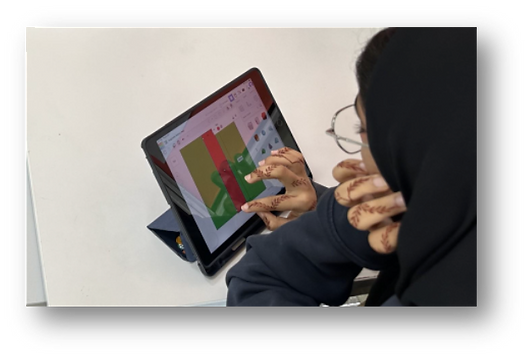


I have incorporated a variety of technology tools into my teaching to foster student learning and increase engagement. For instance, I used augmented reality (AR) applications like BioDigital Human and Visible Body in my biology class to bring complex concepts to life. These tools allowed students to visualize detailed 3D models of biological structures, such as cells, organs, and ecosystems, making abstract topics more tangible and interactive. This approach not only enhanced their understanding but also made the learning experience more engaging and memorable.
______________________________________________


When I assign any task or homework, I give my students the freedom to choose the app or platform they prefer to complete their work. This approach not only empowers them but also fosters creativity and motivation by allowing them to work in a way that aligns with their interests and comfort levels. Whether it's creating presentations, collaborating on group projects, or submitting assignments, letting them select their tools makes learning more engaging and enjoyable. By incorporating their preferences, I aim to create a more dynamic and student-centered learning environment that encourages exploration and enthusiasm.
______________________________________________





Through the Green Schools Audit, students learn to analyze real environmental data and solve challenges related to land, air, water, energy, and waste.


Waste Management
Water Consumption
As part of the Green Schools Audit under the Sustainable Schools Initiative, our school is actively assessing its environmental performance across five core areas: land use, air quality, water consumption, energy efficiency, and waste management. Green School Manual. Through this structured audit, students investigate the condition of the school environment by collecting data, analyzing evidence from different sources, identifying issues, and proposing solutions, strengthening their problem-solving and scientific inquiry skills. As one of the committee leaders, I guide and support students as they evaluate school practices, compare our performance with other UAE schools, and work toward meaningful improvements that promote sustainability and green school culture. This ongoing process demonstrates our commitment to reducing environmental impact, enhancing resource efficiency, and building a school community that actively contributes to a more sustainable future.
Energy Efficiency
Air Quality


Land use
______________________________________________
To encourage my students' analytical thinking and problem-solving abilities, I attended a workshop on AI-Driven Innovative Pathways for Lifelong Learning and Skills Development. This workshop provided me with valuable insights into how AI can enhance learning and foster critical thinking. Additionally, I enrolled in a special course called Critical Thinking and Problem Solving, which helped me further refine my teaching approach by equipping me with strategies to encourage students to think critically, analyze complex problems, and develop creative solutions. These experiences have strengthened my ability to support my students' growth in these essential skills.


______________________________________________
Students are trained to analyze information through graphs, data tables, flow charts, concept maps, and Venn diagrams, enabling them to break down complex biological ideas in a clear and structured way. By exposing them to varied question types and real-world environmental challenges, they develop deeper critical thinking and flexible problem-solving skills. This approach strengthens their ability to interpret data, compare concepts, and apply knowledge creatively, essential skills for understanding environmental issues, evaluating sustainability problems, and proposing effective solutions.


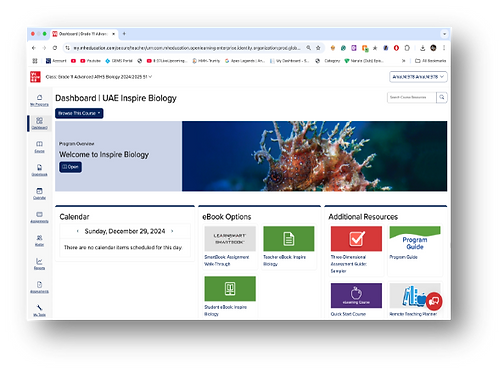
In my teaching practices, I actively integrate digital platforms, e-books, and online resources to minimize paper usage and reduce waste. By leveraging these tools, I not only promote the use of technology in education but also create an eco-friendly learning environment that aligns with sustainability goals. Additionally, I encourage students to collaborate on shared digital projects, fostering teamwork and innovation. Through these efforts, I am building a culture of responsible and sustainable learning while equipping students with the skills to thrive in a technology-driven world.



______________________________________________
Promoting collaborative and eco-friendly learning practices involves educating students on energy-saving measures such as turning off lights when not in use, utilizing energy-efficient appliances, and reducing overall energy consumption in the classroom. By integrating these practices with active participation in environmental initiatives, students develop a deeper understanding of sustainability and are empowered to contribute meaningfully to a greener future.


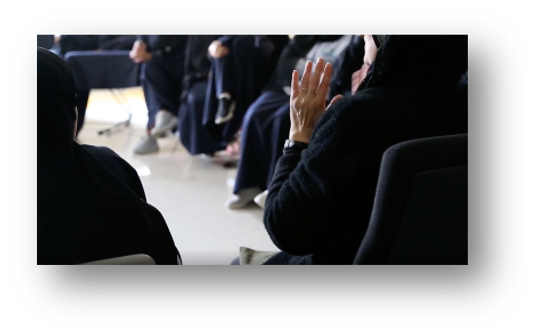


I empower my students to take meaningful action for sustainability by equipping them with the knowledge, skills, and motivation needed to address environmental challenges and contribute to a sustainable future. By fostering a deep understanding of environmental issues and the impact of their choices, I encourage students to engage in practical, solution-oriented projects. These projects focus on promoting energy conservation, waste reduction, and sustainable resource management both in and outside the classroom. Through hands-on experiences, collaboration, and critical thinking, I guide students to take initiative, advocate for sustainability, and implement changes that create a lasting positive impact on their communities and the world.


______________________________________________


______________________________________________
I encouraged my students to take an active role in saving the environment by engaging in various sustainable projects. Through these initiatives, they gained valuable hands-on experience in promoting eco-friendly practices. One of the standout projects is EcoGrow, which focuses on sustainable growth and environmental awareness. This project not only taught the students about the importance of preserving nature but also empowered them to contribute positively to the planet's future.


______________________________________________

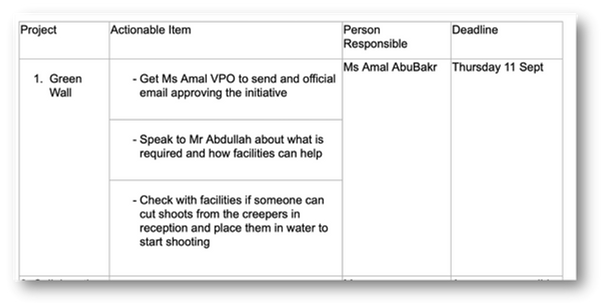
A green wall initiative is being introduced in our school as a sustainability project that I proposed, designed to enhance our campus environment while serving as a hands-on learning experience for students. By involving students in planning, planting, and maintaining the green wall, they are empowered to take meaningful action toward sustainability, developing a sense of responsibility, environmental awareness, and ownership of real eco-friendly practices. This initiative not only beautifies the school but also inspires students to become active contributors to a greener, more sustainable future.

______________________________________________
Completing the Sustainability Strategies course and earning certification has significantly enhanced my professional practice and positively reflected on my students’ learning experiences. The knowledge and skills I gained enabled me to intentionally embed sustainability concepts into my teaching, classroom activities, and decision-making processes. By modeling sustainable thinking, integrating real-world examples, and encouraging responsible practices, I was able to inspire students to think critically about sustainability and recognize their role in creating positive change. My professional growth through this course empowered me to guide students toward meaningful, student-led actions, fostering environmental awareness, responsibility, and a proactive mindset toward sustainability within the school community.

Thank You